Los excavations areological allow us to travel through time and learn about ancient cultures and marvel at the splendour of our ancestors. In the world there are plenty of places that have a rich history and cultural heritage that is worth the trip. In continuity, we are pleased to show you a travel guide to the most interesting archaeological sites in the world.
Female rock: breaking barriers and setting trends
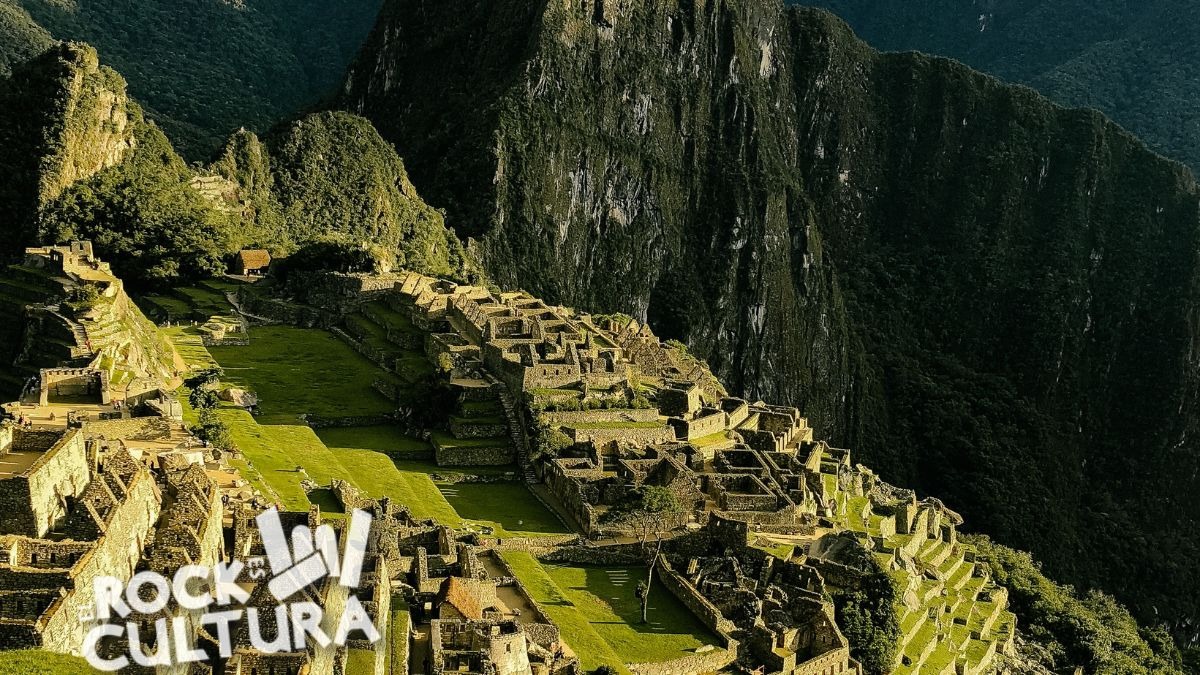
Machu Picchu, Peru
Machu Picchu is one of the most popular and also one of the most impressive archaeological sites in the world. It is an inca citadel located on the top of Peruvian Andes and is regarded as one of the marvels of the modern world. They say that Machu Picchu was created in the fifteenth century, and it was a home of the emperor inca Pachacuti. The tourists will be able to explore the ruins and enjoy the impressive inca architecture, not mentioning the spectacular views of the Andes.
Petra, Jordania
Petra is an ancient city in Jordania, which has become famous due to its rock-cut architecture and its role in the history of the area. In the century 6 A.D., Petra was the capital of the abate kingdom and was a great commercial and cultural hub in the area. The tourists can go to the Tesoro, Monasterio and Calle de las facades to enjoy the architecture and the history of the city.
Angkor Wat, Cambooya
Angkor Wat Es un complex of ruins and temples that are situated in Cambodia, constructed in the IX- XV century under the rule of the then-imperium called Jemer. Angkor Wat is one of the most important religious structures in the world, and is regarded as one of the most significant archaeological treasures of the world. The tourists will be able to explore the ruins and look at the spectacular sculptures and architectural decorations.
Coliseum de Roma, Italia
El Coliseum de Roma is an amphitheatre in the Roman capital which was built in the year 80 dace by the Flavia dynasty. El Coliseum was also used to hold public spectacles such as gladiator battles hence it is regarded as a major symbol of the history and the culture of the Romans. The tourists will be able to visit the Coliseum and admire its architecture, not to mention learning about the history of the spectacles that were held there.
Chichen Itza, Mexico
To learn more about the architecture and the culture of the Mayan, the tourists can visit Chichen Itza, a site located in the peninsula of Yucatan, Mexico, including the pyramid of Kukulcan, the pitch of the ball, and the Temple of the Warriors.
Suggestions on how to go to archaeological sites
Whenever visiting an archeological site, one should consider some rules that will help in preserving the historical value and the cultural importance of the site. Tourists need not touch or take any of the objects, obey all the rules and instructions displayed, and not to climb on unstable buildings. Proper disposal of waste, keeping to the required paths and being aware of the environment around is also a necessity. It is through our responsible and respectful actions that we can contribute to the preservation of these precious sites and make sure that they will not be lost to history to be learned and appreciated by future generations.
Educate about site regulations
Every archaeological site might possess its own particular regulations concerning the visits, including the prohibition of touching the artifacts or climbing the old buildings. These regulations are there to preserve the historical essence of the site and also to preserve it to the generations to come. These guidelines should be read and learned before touring the area and to ensure that they are observed at all time. By following all these rules, visitors will avoid damaging them and will ensure their protection in the long-term.
Contra Guia
In most instances, it pays to be guided when one is exploring a new destination. A guide may guide one with valuable information regarding the history and culture of the area and therefore make the experience more meaningful and enjoyable. They are also able to make visitors know local regulations, practices, and a lot of details that would be unnoticed. It is easier to prevent some of the most frequent errors and move around the place with their assistance.
No toques in the levees objectors
Removing objects or altering elements from an archaeological site can damage its cultural value and reduce its historical significance. It is important to respect the heritage of the area and avoid any actions that could harm or disturb it. Preserving these sites ensures that future generations can learn from and appreciate their history.
Usa calando decade
Particular locations might have disproportionate or even hazardous landscape, including rocky walks, tiny ledges, or steep and irregular footsteps. The conditions may cause the risk of slipping, tripping, or falling to the visitors who are not adequately prepared. It is thus quite essential to be wearing comfortable, well-fitting and durable footwear that is giving a good grip and support. Besides, precautionary walking, observation of the environment, and being in no hurry can significantly decrease the risks of suffering injuries. Being aware of such things assists to make the exploration of such places safer and more enjoyable.
Agua y protection solar
many archaeological sites are located in desert areas or very sun exposed areas and so it is important to carry water and protect oneself against the sun to avoid getting dehydrated or developing solar burns.
A visit to archaeological sites is an invaluable and enriching experience that allows us to travel in time and learn about the past and culture of the ancient civilizations. Every place has got its own history and mysteries to explore, this is why it is good to plan ahead, consider the rules and safety measures, and have a mindful and respectful approach to the cultural heritage that we are exploring.
You know we are obsessed with the ruins of Machu Picchu or the coliseum Romano, each trip to a place of archaeological interest is a chance to learn about the past and to fill our knowledge base about the world and ourselves.



1 comentario en «Historia viva: Gaia de visage a loss sitios arqueologicos mas fascinates end el Mundo»
Los comentarios están cerrados.